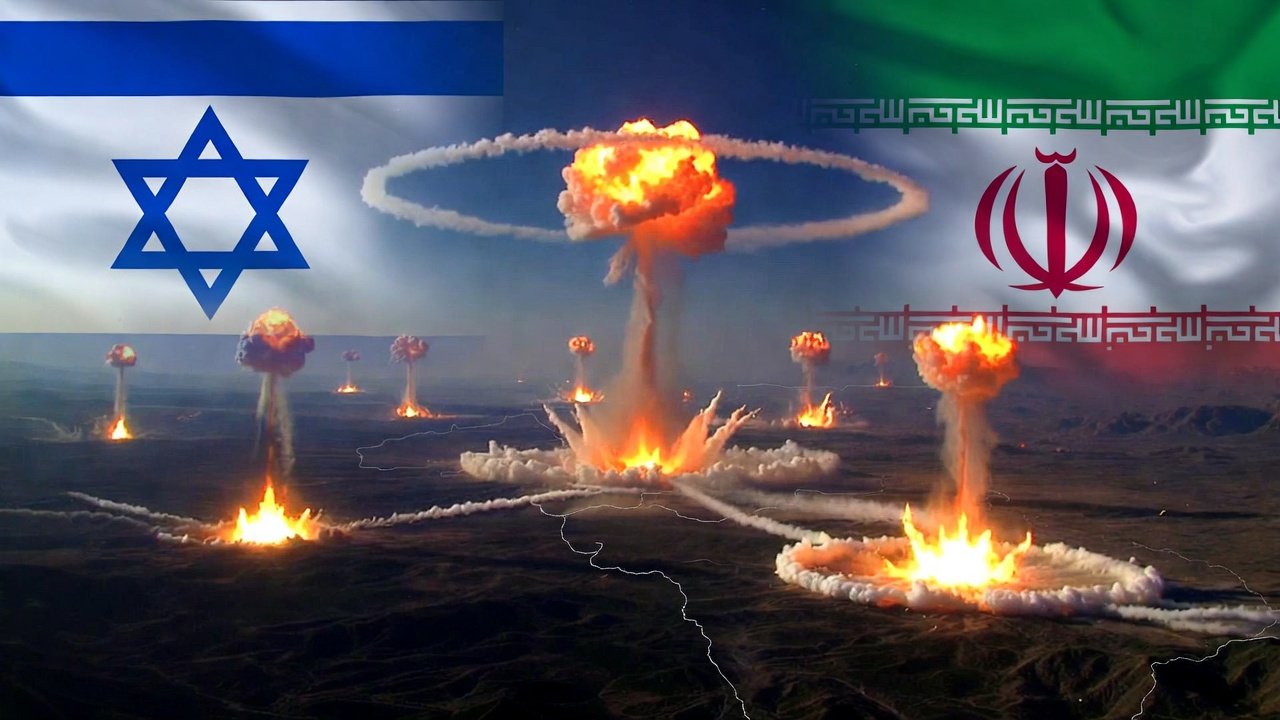
The Unconstitutional and Immoral War on Iran
A Betrayal of the Constitution and American Values
In late February 2026, the United States, alongside Israel, launched surprise airstrikes on Iran. These attacks quickly escalated into a broader conflict, with strikes on military sites, cities, and the killing of Iran's Supreme Leader. As bombs fall and lives are lost — American troops, Iranian civilians, and regional innocents caught in the crossfire — this war has already claimed casualties and risks spiraling further. Oil prices are soaring, global tensions are rising, and the human cost is mounting.
This is not just another foreign policy decision. It is, in the eyes of many constitutional scholars, legal experts, and members of Congress from both parties, an illegal, unconstitutional war of choice that directly violates the foundational document of our republic. It represents a dangerous expansion of executive power at the expense of the people's representatives in Congress. And morally, it stands as a profound evil: unnecessary aggression that prioritizes regime change or geopolitical dominance over peace, diplomacy, and the sanctity of human life.
What the Constitution Actually Says
The U.S. Constitution is crystal clear on who holds the power to initiate war. Article I, Section 8, Clause 11 grants Congress alone the authority "To declare War, grant Letters of Marque and Reprisal, and make Rules concerning Captures on Land and Water."
The Framers deliberately placed this power in the legislative branch — the body closest to the people — to prevent any single individual, especially the President, from dragging the nation into endless conflicts. Presidents can respond to sudden attacks for immediate self-defense. But launching a sustained military campaign involving airstrikes, potential ground operations, and regime-threatening actions against a sovereign nation? That crosses into "war," and only Congress can authorize it through a formal declaration or specific statutory approval.
Yet, no such declaration or authorization has occurred for the current actions in Iran. Congress was not consulted in advance in any meaningful way. This bypasses the Constitution's checks and balances entirely.
The War Powers Resolution: A Congressional Safeguard Ignored
In the aftermath of the Vietnam War, Congress passed the War Powers Resolution of 1973. This law requires the President to consult with Congress before introducing U.S. forces into hostilities, notify Congress within 48 hours, and limits engagements to 60 days without congressional approval.
Critics — including Representatives and Senators from both parties — have called for an immediate War Powers vote to force withdrawal, arguing the strikes violate both the Constitution and the 1973 law.
The administration's response? Claims of inherent executive authority or that it's not really "war" in the constitutional sense. This legal wordplay doesn't change the reality: American forces are engaged in combat operations without the people's elected representatives giving the green light.
Why This War Is Incredibly Evil
- Unnecessary Aggression: Iran posed no imminent threat of attack on the U.S. homeland. This is a war of choice, framed around regime change, nuclear concerns, or regional dominance. History shows such wars often lead to quagmires, blowback, and unintended consequences.
- Human Cost: Iranian civilians, including children and non-combatants, are dying. U.S. troops face risks of retaliation. Families on all sides grieve. War is hell, and starting one without exhaustive diplomatic exhaustion or existential necessity is a grave sin against humanity.
- Erosion of Liberty at Home: Unconstitutional wars concentrate power in the executive, weaken congressional oversight, and normalize endless military engagements. They drain trillions from domestic needs while enriching defense contractors.
- Violation of International Norms: The UN Charter prohibits aggressive war unless in self-defense or with Security Council approval.
This isn't defense; it's offensive adventurism that betrays the American tradition of restraint and republican government.
A Pattern of Executive Overreach
This isn't isolated. From Korea to Vietnam, Libya, Syria, and now Iran, presidents have stretched "Commander in Chief" into a blank check for war. Congress has often abdicated its responsibility. The Framers would be horrified.
Time for Congress and the People to Act
The American people must demand better. Contact your representatives. Support resolutions invoking the War Powers Act to end unauthorized hostilities. Insist on debate: Is this war worth the cost in lives, dollars, and constitutional integrity?
True patriotism isn't blind loyalty to executive fiat — it's fidelity to the Constitution that protects our freedoms. Wars should be rare, justified, and declared by the people through their Congress.
This war on Iran is unconstitutional, immoral, and evil in its disregard for both law and life. It must end, and the precedent of unilateral presidential war-making must be shattered before it destroys what remains of our republic.
The Constitution isn't a suggestion. It's the supreme law. Let's honor it before more blood is spilled in vain.
Published March 2026